Budgeting to Erasing Debt
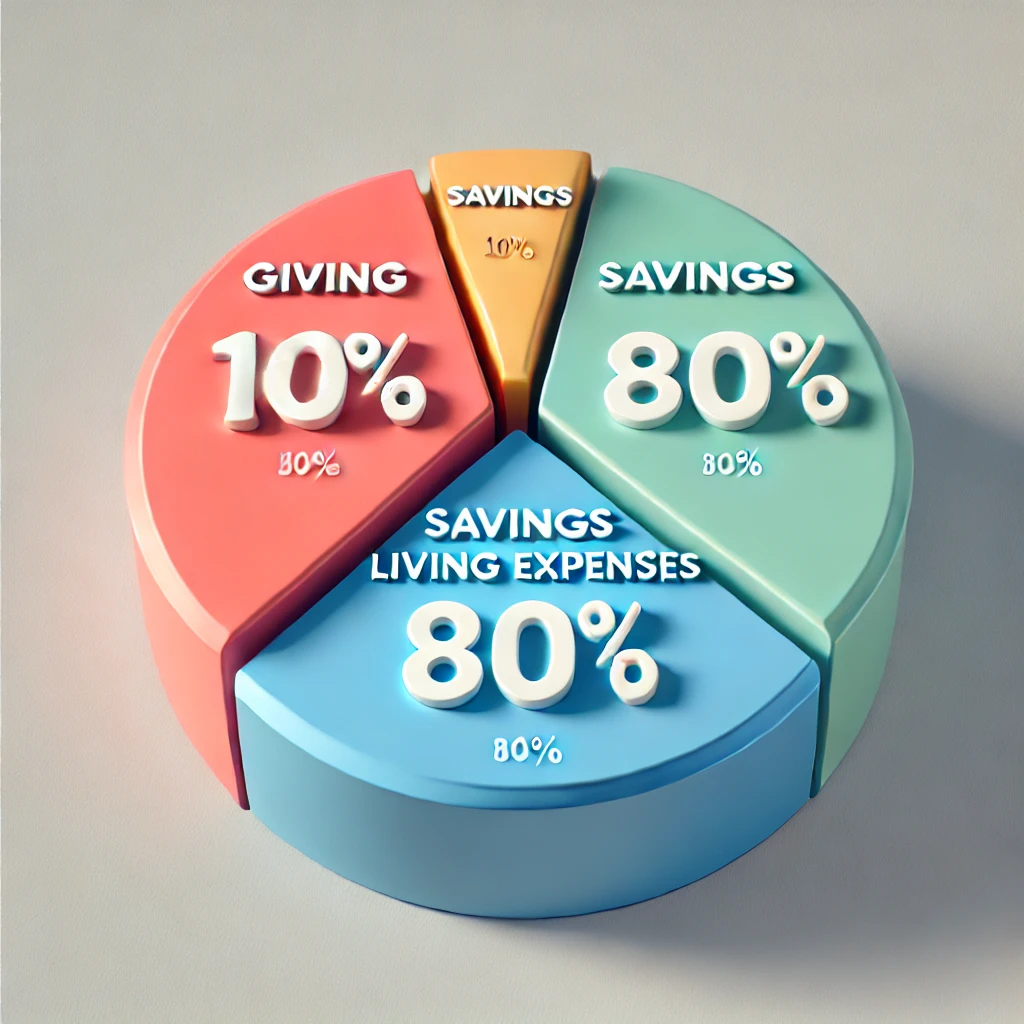
Book Review: Money Talks: A Biblical Take on Earning, Saving, Spending, and Giving In Chapter 3 - Spending, the question is asked what goals you are setting on Budgeting? My reply: In the late 1990s, my wife and I had tremendous college and credit card debt. However, when a college friend first opened his finance office, Ron taught us about budgeting and getting out of debt incrementally as known as the "snowball formula." We started with our smallest bill first and using the income from that bill to pay off the next smallest bill, etc. It worked like a charm. When we tried to pay off debt with the highest interest rate first, we were depressed because nothing was getting paid off. However, eliminating each bill incrementally built our confidence and we have been debt-free except for a mortgage for almost three decades. Ron also taught us to pay ourselves first which is contrary to the Picardo plan. We lived by the 80/10/10 rule of tithe +10%, save/invest +10%, and live off the remaining balance to create our budget. I concur with Picardo’s that your budget should reflect your values, and my wife is the spender, and I am the saver. She spends primarily on our grandchildren and children, although grown, and I save for their inheritance through investments and sizable life insurance policies. A portion of the inheritance will also go to our home church upon death. In summary, I love the quote, “Jesus never tells us to grow up, but he does tell us to have a childlike faith” (108). Also, John Wesley’s questions on how to discern if you are spending wisely or squandering (89-90) are excellent, and I shall use them with family, friends, and my ministries. I also practice the shopping cart tip Callie talked about where I place things in the “virtual shopping cart” and if it is still there the next time I see it, I discern if I want it or not. That has saved a lot of money by reducing impulse purchases.